Where Art Lives on the Plate in Salamanca
You know that feeling when a city surprises you? Salamanca did exactly that. I went for the architecture, stayed for the art—and ended up falling hard for its food scene. Here, dining isn’t just eating; it’s a creative act. From painted tapas to wine poured like liquid poetry, every meal feels like a gallery opening. This is where centuries-old traditions meet bold flavors and artistic flair. Let me take you behind the scenes of Salamanca’s most authentic, art-inspired specialty dining experiences—ones that aren’t in the guidebooks but absolutely should be.
First Impressions: A City That Breathes Art
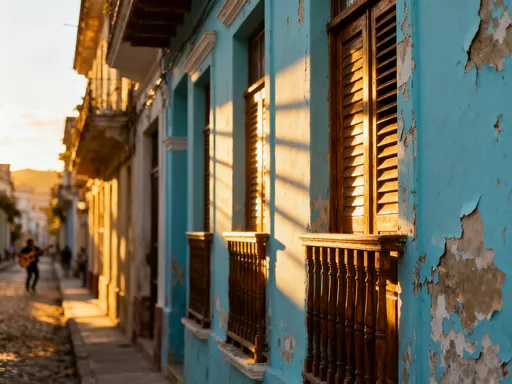
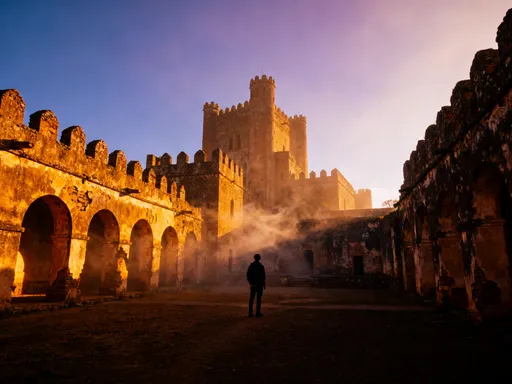
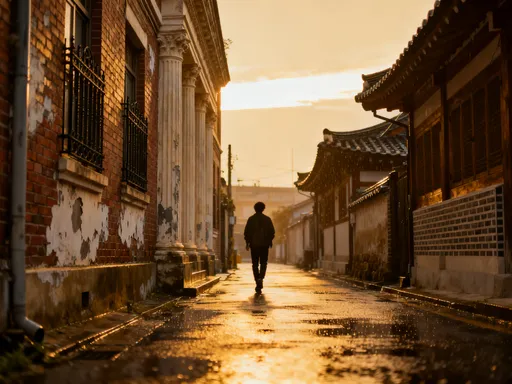
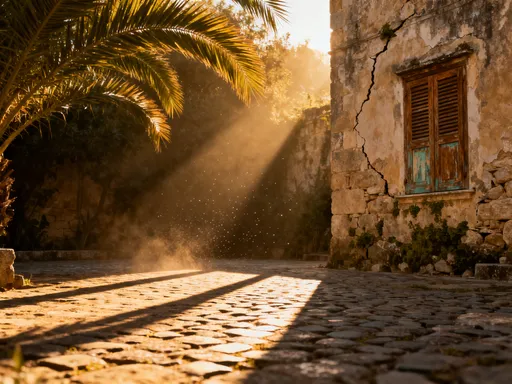
Salamanca, nestled in the heart of Spain’s Castile and León region, is a city where beauty is not merely observed—it is lived. As a UNESCO World Heritage site since 1988, its historic center is a masterpiece of Renaissance and Baroque architecture, built from a luminous golden sandstone known as arenisca. When the sun dips below the horizon, these buildings seem to catch fire, glowing with an amber warmth that washes over the plazas and alleyways. This natural light show is not a fleeting moment but a daily ritual, a quiet reminder that art here is not confined to galleries or canvases—it is embedded in the very fabric of the city.
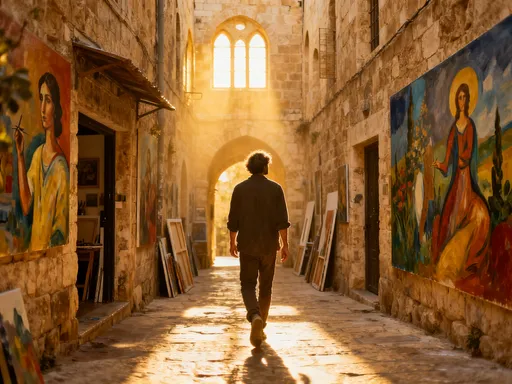
Walk through the Plaza Mayor, often called the most beautiful square in Spain, and you’ll find it humming with life. Musicians strum guitars beneath wrought-iron balconies, their melodies weaving through the air like threads in a tapestry. Elderly couples sip coffee at outdoor tables, students from the historic University of Salamanca—founded in 1218—hurry past with books in hand, and local artisans display handcrafted ceramics, leather goods, and woven textiles. Every corner feels curated, not staged, as if creativity flows as naturally as the Tormes River that skirts the city’s edge.
This artistic atmosphere is not accidental. Salamanca has long been a cradle of intellectual and cultural life. It was home to Spain’s first university, a meeting place for philosophers, poets, and theologians during the Golden Age of Spanish literature. Today, that legacy lives on in the way locals approach daily rituals—especially food. Meals are not rushed but regarded as moments of connection, reflection, and expression. In Salamanca, the kitchen is another kind of studio, and the plate is a canvas. This seamless blend of art and life sets the stage for a culinary experience that is as much about vision as it is about taste.
The Fusion of Flavor and Form: Culinary Art in Practice
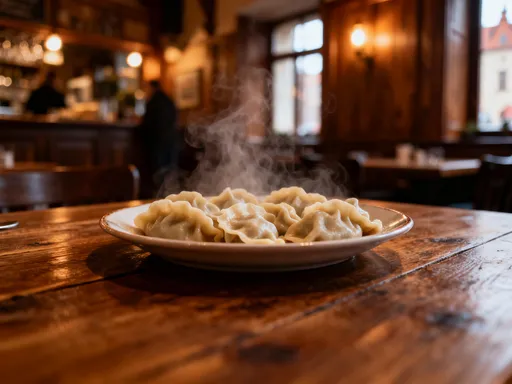
In Salamanca, chefs do not see themselves merely as cooks but as creators. Their kitchens are laboratories of flavor and form, where centuries-old recipes are reinterpreted with a modern sensibility and an artist’s eye. A simple dish like chorizo al vino—cured sausage slow-cooked in local red wine—might be presented on a slate tile, garnished with edible flowers and a drizzle of pomegranate reduction that resembles brushstrokes across the plate. The visual impact is immediate: this is not just food, it is composition.
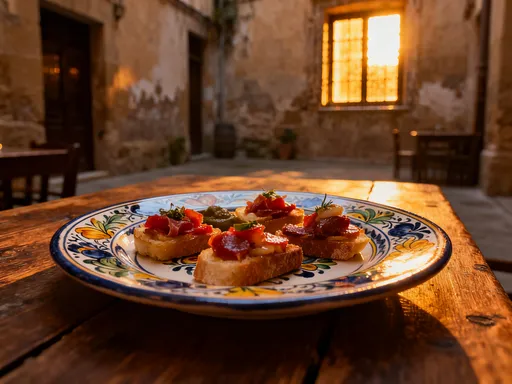
Plating in Salamancan cuisine often mirrors the principles of painting: balance, contrast, and movement. Chefs use color deliberately—deep reds from roasted peppers, bright greens from wild herbs, golden hues from saffron—to evoke emotion and tell a story. Texture plays a role too, with crispy crackling placed beside silky purées to create a tactile dialogue. Some restaurants even collaborate with local ceramicists to design custom dishware, ensuring that the vessel enhances the visual narrative. A tapa of goat cheese with quince paste might arrive on a hand-painted plate depicting scenes from the nearby Sierra de Francia, turning the meal into a dialogue between land, craft, and flavor.
The artistic approach extends beyond presentation to the ingredients themselves. Local producers are treated as collaborators, their goods celebrated not just for taste but for authenticity and origin. When a chef uses jamón ibérico de bellota—acorn-fed Iberian ham—it is not only for its rich, nutty depth but because it represents a centuries-old tradition of sustainable farming in the dehesa woodlands. Every element on the plate is chosen with intention, forming a palette as carefully curated as a painter’s selection of pigments. In this way, the meal becomes a reflection of place, history, and craft—an edible work of art.
Off-the-Beaten-Path Tastings: Hidden Locales with Soul
While the Plaza Mayor draws crowds, the true essence of Salamanca’s culinary artistry lies in its quieter corners. Venture into the Barrio de San Bernardo, a neighborhood once home to artisans and now a haven for those who appreciate authenticity over spectacle, and you’ll find dining experiences that feel deeply personal. Here, family-run bodegas have operated for generations, their menus unchanged except for seasonal shifts. One such spot, tucked behind a weathered wooden door, serves caldereta de cordero, a slow-simmered lamb stew, in a room lined with vintage wine bottles and original sketches by the owner’s grandfather, a local painter. Meals are served at a pace that encourages conversation, and the owner often joins guests to share stories of the family’s ties to the land.
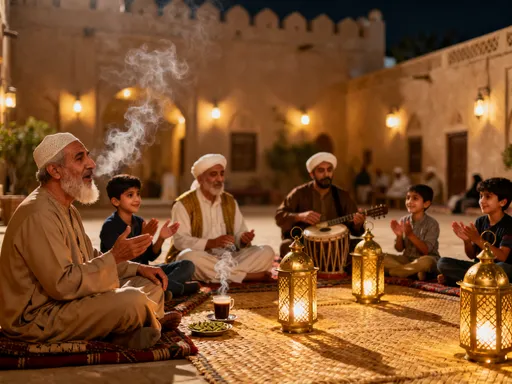
Another gem is a pop-up dinner series held in a restored 16th-century courtyard, where the walls are still marked with centuries-old fresco fragments. These events, organized by a collective of chefs and artists, occur only a few times a year and are announced through word-of-mouth or community bulletin boards. Diners sit at long wooden tables beneath strings of soft lanterns, enjoying a five-course meal where each dish is inspired by a different period of Salamanca’s artistic history. One course might be a modern take on a medieval recipe, presented with calligraphy-style plating; another could be a dessert that mimics the intricate tile work of the city’s churches, crafted from chocolate and almond paste.
These spaces are not designed for Instagram likes but for intimacy and meaning. There is no online reservation system—guests must call ahead or visit in person. This deliberate resistance to commercialization ensures that only those who seek a genuine connection with the culture find their way in. In these hidden locales, food is not a product but a gift, shared with care and respect. They remind us that the most memorable meals are not always the most convenient, but the ones that require effort, curiosity, and a willingness to wander off the map.
Dining as Performance: The Experience Beyond the Plate
In Salamanca, a meal is rarely just about eating—it is an orchestrated experience, a performance in which every element contributes to the whole. Lighting is carefully calibrated: warm and dim in winter, soft and dappled by courtyard foliage in summer. Music is selected with intention, often blending traditional Spanish guitar with subtle jazz or classical influences. Service is attentive but unobtrusive, with waitstaff trained to move like stagehands in a theater, ensuring the focus remains on the food and the moment.
Some of the most memorable evenings unfold as live culinary performances. At a small venue near the Old Cathedral, a monthly event pairs flamenco dancing with a curated tasting menu. As a guitarist plays a soleá, a dancer’s heels tap a rhythm on wooden planks, and the chef presents a dish of grilled octopus with smoked paprika aioli—each element timed to echo the intensity of the music. The sommelier, dressed in a tailored black apron, doesn’t just pour wine but narrates its journey: the soil of the Arribes del Duero valley, the harvest of 2021, the aging process in oak casks. The pairing becomes a story, not just a suggestion.
Seasonal menus are treated like rotating gallery exhibitions. In spring, dishes feature wild asparagus, lamb, and fresh goat cheese, plated with pastel tones and floral garnishes. Autumn brings roasted chestnuts, game meats, and deep red wines, presented with earthy ceramics and darker lighting. Some chefs even provide small cards at the end of the meal, describing the inspiration behind each course—much like an exhibition guide. This attention to pacing, atmosphere, and narrative transforms dining into a multisensory journey, one that lingers in memory long after the last bite.
Local Ingredients as Art Supplies: The Role of Terroir
The soul of Salamancan cuisine lies in its land. The region’s diverse geography—from the oak-studded dehesas of the south to the rugged hills of the Sierra de Gredos—provides a rich palette of ingredients that chefs treat as sacred. These are not commodities but expressions of place, each carrying the story of its origin. When a chef selects jamón ibérico from a small producer in Guijuelo, they are not just choosing a cured meat but honoring a tradition of free-range pig farming that dates back generations. The pigs roam oak forests, feeding on acorns, their movement and diet shaping the marbling and flavor of the ham. This deep connection to terroir is what elevates the ingredient from food to art.
The Arribes del Duero natural park, along the border with Portugal, is home to small vineyards that produce bold, mineral-rich reds and crisp white wines from indigenous grapes like Rufete and Verdejo. These wines are not mass-produced but hand-harvested and fermented in small batches, their character shaped by the region’s schist soils and dramatic temperature shifts. Sommeliers in Salamanca take pride in showcasing these local vintages, often pairing them with dishes that highlight their complexity. A glass of young Tinta de Toro, for example, might accompany a dish of slow-cooked beef cheek, the wine’s tannins cutting through the richness like a bold stroke on canvas.
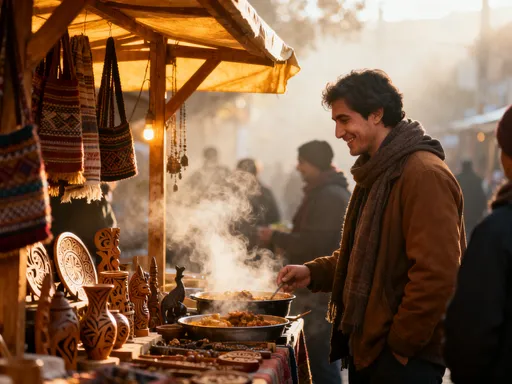
A visit to the Mercado Central at dawn reveals the artistry of sourcing. Stalls overflow with color: pyramids of ripe tomatoes, baskets of wild mushrooms foraged from nearby forests, wheels of sheep’s milk cheese dusted with ash. But what stands out is the care with which vendors arrange their goods. One farmer displays heirloom peppers in a rainbow gradient, while another presents honey in hand-labeled jars, each varietal named after the wildflowers that fed the bees. This is food as craft, where presentation and provenance matter as much as taste. For chefs, the market is not just a supply point but a daily inspiration, a place where the raw materials of their art are chosen with reverence.
How to Discover These Experiences: A Practical Guide
Finding Salamanca’s most authentic, art-infused dining experiences requires a shift in mindset. This is not a city best explored through apps or online reviews but through presence, curiosity, and human connection. The best time to visit is during spring (April to June) or early autumn (September to October), when the weather is mild, the light is golden, and local festivals bring an extra layer of cultural energy. The Festival de Música y Danza in June, for example, often includes special culinary events that pair performances with themed dinners.
To uncover hidden spots, start by engaging with locals. Strike up a conversation with a bookseller, a gallery attendant, or a vendor at the market. Many of the city’s best-kept secrets are shared quietly, not advertised. Cultural centers like the Casa de las Conchas or the Museo Art Nouveau y Art Déco often post flyers for small-scale food and art events. Learning a few basic phrases in Spanish—¿Dónde come bien la gente local? (Where do locals eat well?)—can open doors that no translation app can. Avoid the restaurants immediately surrounding the Plaza Mayor, where menus are often translated into five languages and prices inflated for tourists. Instead, wander into the Barrio de San Bernardo or the quieter streets near the University, where family-run establishments serve the same dishes they’ve perfected over decades.
Timing your visit around local events can also lead to unique opportunities. The Feria Gastronómica de Castilla y León, held every two years, brings together regional producers, chefs, and artisans for tastings, workshops, and collaborative dinners. Even outside of festivals, many small restaurants offer seasonal tasting menus that change monthly, reflecting what is fresh and available. Reservations are often essential, and while some places accept calls in English, it helps to have a basic understanding of Spanish or to ask a hotel concierge to assist. The effort is worth it: these meals are not transactions but invitations into a living tradition.
Why This Matters: Reimagining Travel Through Artful Eating
Travel is often measured in landmarks visited, photos taken, and checklists completed. But in Salamanca, a different kind of journey is possible—one that moves at the pace of a slow-cooked stew, deepens with every shared story, and lingers like the finish of a fine wine. Here, dining becomes a form of cultural immersion, a way to understand a place not through observation but through participation. When you sit down to a meal that has been crafted with artistic intention, you are not just feeding your body but engaging with history, identity, and community.
These art-inspired culinary experiences matter because they remind us of what food can be: not just fuel, but expression. They challenge the industrialization of dining and the commodification of culture, offering instead a model of sustainability, authenticity, and soul. In a world where so much feels mass-produced and disposable, Salamanca’s approach to food is a quiet act of resistance—a commitment to craftsmanship, seasonality, and human connection. Each meal becomes a testament to the idea that beauty and meaning can be found in the everyday, especially when we take the time to look closely and taste deeply.
For the traveler—especially the thoughtful, curious woman in her thirties to fifties who values depth over speed—Salamanca offers something rare: a chance to slow down, to savor, and to connect. It invites you to see food not as a side note to your journey but as its heart. So when you plan your next trip, consider not just where you’ll go, but how you’ll eat. Seek out places where chefs are artists, where ingredients tell stories, and where every meal feels like a quiet celebration of life. In Salamanca, that celebration is always in season.