You Won’t Believe What Happens at Trincomalee’s Festival Season
Trincomalee, tucked along Sri Lanka’s sun-kissed east coast, comes alive like nowhere else during festival season. I’ve seen beaches glow under drumlit nights and temples breathe stories of ancient devotion. It’s not just celebration—it’s raw, pulsing culture you feel in your bones. If you’re chasing something real, beyond resorts and guidebooks, this is where your journey begins. The air hums with anticipation, the streets shimmer with handmade garlands, and every corner offers a glimpse into a tradition centuries in the making. This is not performance for tourists; it’s life, lived with passion, rhythm, and reverence.
The Magic of Trincomalee in Festival Mode
When festival season arrives in Trincomalee, the city undergoes a transformation that touches every sense. The usual calm of the coastal town gives way to a vibrant, joyful energy that flows through its streets, temples, and waterfront. Colorful kites dance above the harbor, strings of oil lamps line the temple paths, and the scent of jasmine and sandalwood drifts through the evening air. This is not a manufactured spectacle, but an organic outpouring of community spirit, deeply rooted in Tamil Hindu traditions. The rhythm of life slows just enough to allow space for prayer, celebration, and connection—yet pulses with an excitement that is impossible to ignore.
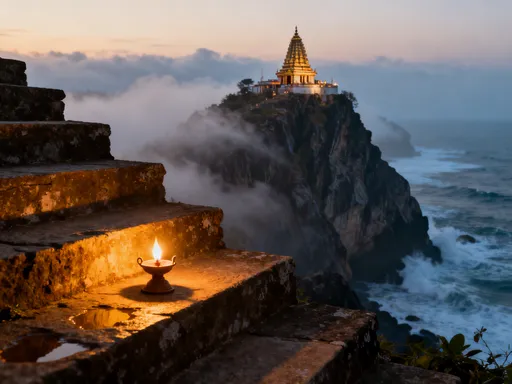
The unique magic of Trincomalee lies in the harmony between its natural serenity and spiritual intensity. Nestled between the deep blue of the Indian Ocean and the sacred heights of Swami Rock, the city becomes a living bridge between the earthly and the divine during festivals. The Koneswaram Temple, perched dramatically on the cliffside, glows at night with hundreds of flickering lamps, casting reflections on the waves below. The harbor, usually busy with fishing boats, takes on a ceremonial stillness during key rituals, as locals gather to offer prayers for safety, prosperity, and unity. This blend of coastal tranquility and devotional fervor creates an atmosphere unlike any other in Sri Lanka.
For travelers, visiting Trincomalee during festival season is more than a sightseeing opportunity—it is an invitation to cultural immersion. Unlike typical tourist experiences that remain on the surface, festival time allows visitors to witness traditions that are lived, not performed. The timing of your visit can make all the difference. While Trincomalee is beautiful year-round, the months between April and August offer the most meaningful encounters, especially during major religious observances. During this period, the weather is dry, the skies are clear, and the community is at its most open and celebratory. This is when the city reveals its soul, not just its sights.
Koneswaram Festival: A Spiritual Firework
At the heart of Trincomalee’s festival season is the annual Shivaratri celebration at the Koneswaram Temple, one of the most revered Hindu pilgrimage sites in Sri Lanka. Dedicated to Lord Shiva, this ancient temple has stood on Swami Rock for over two millennia, surviving invasions, natural disasters, and centuries of change. During Shivaratri, its significance reaches a crescendo. Devotees from across the island—families, priests, elders, and young pilgrims—make the journey to Trincomalee, drawn by faith, tradition, and the belief that prayers offered here carry special power.
The festival unfolds over several days, but the climax arrives on the night of Shivaratri, when the temple remains open from dusk until dawn. The air fills with the sound of temple bells, Vedic chants, and the rhythmic beat of the nagaswaram, a traditional wind instrument. Hundreds of oil lamps are lit along the temple’s stone pathways and terraces, their golden glow illuminating the intricate carvings and towering gopuram. Pilgrims bathe in the sacred waters of the nearby temple tank before entering the sanctum, carrying offerings of milk, honey, and bilva leaves. The entire cliffside seems to vibrate with devotion, as waves crash below and prayers rise above.
One of the most powerful moments is the maha abhishekam, the grand ceremonial bathing of the Shiva lingam. Priests pour sanctified water, milk, yogurt, honey, and saffron over the sacred stone while chanting ancient mantras. This ritual, believed to purify the soul and bring divine blessings, draws crowds in reverent silence. The atmosphere is both solemn and electric—devotees weep, chant, and prostrate themselves, while visitors stand in quiet awe. For many, witnessing this ritual is a once-in-a-lifetime spiritual experience, not because of spectacle, but because of the palpable depth of faith that fills the space.
The historical significance of Koneswaram adds another layer to the festival’s power. Rebuilt in the 20th century after being destroyed in the 17th, the temple stands as a symbol of resilience and cultural continuity. Its location—overlooking the Trincomalee harbor—has made it a spiritual landmark for seafarers and pilgrims for generations. During festival season, this legacy comes alive. The convergence of history, geography, and devotion creates a moment where time seems to fold in on itself, allowing visitors to feel connected not just to the present, but to centuries of tradition.
Street Energy: Food, Music, and Local Joy
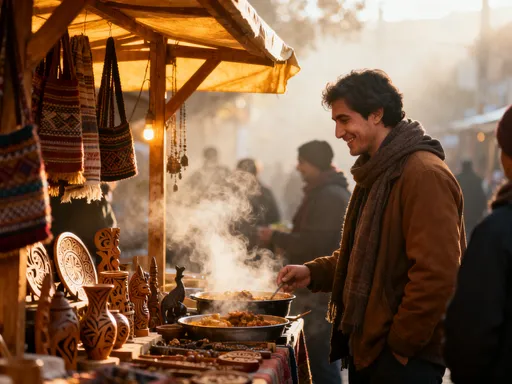
While the temple rituals offer a profound spiritual experience, the streets of Trincomalee during festival season pulse with a different kind of energy—one of celebration, flavor, and human connection. As the sun sets, the city’s lanes come alive with food stalls, drum circles, and impromptu dance performances. The scent of roasting spices, coconut milk, and charred meat fills the air, drawing both locals and visitors into a shared feast. This is where culture becomes tangible, not through monuments or rituals, but through the simple act of eating, dancing, and laughing together.
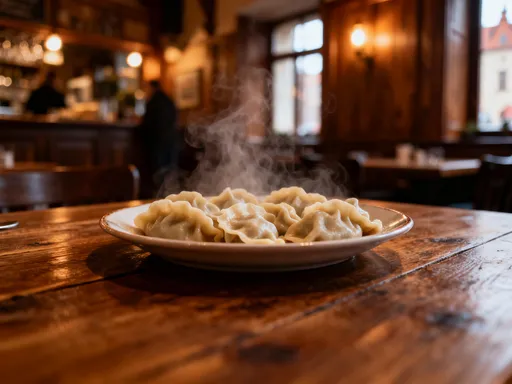
Street food during festival time is more than sustenance—it’s a celebration of Tamil culinary heritage. Vendors serve steaming plates of jackfruit curry, crispy dosas, and savory lentil pancakes known as hoppers, cooked on small clay stoves that glow in the twilight. Sweet treats like jaggery-filled vattalappam, a type of coconut custard, are passed hand to hand. Kebabs sizzle on open grills, and fresh coconut water is offered in green shells. Eating here is not a solitary act; it’s social, communal, and deeply welcoming. Travelers are often invited to sit on low stools, share a meal, and listen to stories from the vendors, many of whom have been preparing food for festivals for decades.
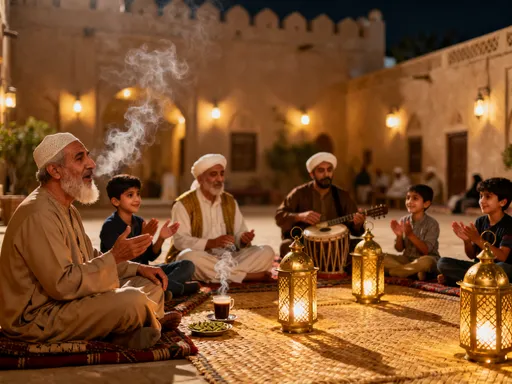
Music is everywhere. The deep, resonant beat of the yak beraya, a traditional drum used in temple ceremonies, echoes through the streets. Drummers—often young men in white sarongs—play in groups, their rhythms growing faster and more intense as the night progresses. Dancers in colorful costumes perform folk dances that tell stories of gods, harvests, and love. These are not staged performances for tourists; they are expressions of joy that spill naturally from homes and community centers into the open air. Travelers are not just observers—they are often welcomed into the circle, taught a simple step, or handed a small drum to join in.
These spontaneous moments of connection are often what travelers remember most. A grandmother offering a flower garland, a child sharing a piece of sweet, a vendor teaching you how to say “thank you” in Tamil—these small gestures build bridges across cultures. In a world where travel can sometimes feel transactional, Trincomalee’s festival season reminds us of the warmth of human hospitality. It’s not about grand attractions, but about being seen, welcomed, and included in something meaningful.
Hidden Moments: Where Locals Celebrate Away from Crowds
Beyond the grand processions and temple ceremonies, some of the most touching festival experiences in Trincomalee happen quietly, away from the spotlight. In residential neighborhoods, families gather on their doorsteps to light oil lamps and offer prayers. Small neighborhood temples, often overlooked by visitors, come alive with intimate pujas led by local priests. These moments are not for show—they are personal, heartfelt expressions of faith and gratitude, passed down through generations.
One of the most beautiful hidden rituals is the early morning flower offering at small coastal shrines. Long before the sun rises, women in colorful sarees walk barefoot along the shore, carrying baskets of frangipani, marigold, and jasmine. They place the flowers at simple stone altars, whisper prayers, and return home in silence. These acts of devotion are fleeting, quiet, and deeply moving. For travelers lucky enough to witness them, the experience is humbling—a reminder that faith is not always loud, but often found in stillness and simplicity.
Access to these quieter moments often comes through personal connections. Staying in a local homestay or traveling with a community-based guide can open doors that would otherwise remain closed. A host family might invite you to join their morning puja, or a neighbor might share a traditional sweet made only during festival time. These invitations are not guaranteed, but they are more likely when travelers approach with respect, curiosity, and a willingness to listen. The key is not to intrude, but to be present—offering a smile, accepting hospitality, and understanding when to step back.
Slowing down is essential. In a culture that values patience and presence, rushing through experiences means missing their essence. Sitting with a family as they prepare festival food, walking with a local to a quiet shrine, or simply watching children play near a temple gate—these unhurried moments often become the most memorable. They don’t make for dramatic photos, but they leave lasting impressions. They remind us that travel is not just about seeing new places, but about feeling new ways of being.
Getting There and Timing It Right
Reaching Trincomalee at the right time is crucial for experiencing the full depth of its festival season. The ideal window is from April to August, when the monsoon has passed, the skies are clear, and the weather is warm but not oppressive. This period also aligns with major religious festivals, including Shivaratri and other temple observances. Travelers who come during these months not only enjoy better conditions for exploring the coast but also have the chance to witness cultural events at their peak.
There are several ways to reach Trincomalee, each with its own advantages. The most direct route is a domestic flight to China Bay Airport, located just a short drive from the city center. This option saves time and is ideal for those coming from Colombo or other major cities. Alternatively, long-distance buses operate regularly from Colombo, Kandy, and Jaffna, offering an affordable and scenic journey through Sri Lanka’s diverse landscapes. The bus ride from Colombo takes about seven to eight hours, passing through tea country, ancient cities, and rural villages—each offering glimpses into everyday life.
For those who enjoy train travel, it’s important to note that the rail line to Trincomalee is not yet fully connected. Most travelers take a train to Maho or Polonnaruwa and then transfer to a bus or taxi. While this requires more planning, it allows for a deeper immersion in the country’s transport culture. Once in Trincomalee, getting around is relatively easy. Tuk-tuks are widely available and affordable, while walking is a pleasant option in the old town and along the harbor. During festival season, however, streets can become crowded, so allowing extra time for travel is wise.
One of the most important tips is to book accommodations well in advance. Festival season draws pilgrims and travelers alike, and even small guesthouses fill up quickly. Those who wait too long may find themselves with limited options or forced to stay farther from the city center. Booking early also allows time to research and choose a place that aligns with your travel values—whether that’s a family-run homestay, a quiet beachside lodge, or an eco-conscious property.
Staying with Purpose: Choosing the Right Base
Where you stay in Trincomalee can shape your entire festival experience. The city offers several distinct areas, each with its own character and advantages. For those seeking spiritual immersion, staying near Swami Rock and the Koneswaram Temple provides easy access to rituals and a sense of being at the heart of the celebration. The climb up the stone steps each morning, the sound of morning bells, and the view of the ocean from the temple grounds create a powerful daily rhythm.
For travelers who want a balance of culture and relaxation, Uppuveli Beach is an excellent choice. Just a short tuk-tuk ride from the city center, this stretch of golden sand offers calm waters, beachside cafes, and a quieter pace. Many small guesthouses and eco-lodges line the shore, run by families who have lived in the area for generations. Staying here allows you to enjoy the festival energy during the day and return to a peaceful setting at night. The beach also hosts informal cultural events during festival season, including drumming circles and storytelling sessions.
Those who want to be in the middle of the action may prefer the old town, where narrow streets buzz with activity. Here, you’ll find bustling markets, street food stalls, and homes decorated with festival lights. Staying in a local homestay in this area offers a rare level of access to daily life. Host families often share meals, explain traditions, and even invite guests to join in celebrations. These personal connections can transform a visit from a simple trip into a meaningful exchange.
Regardless of location, choosing small, locally owned accommodations supports the community and ensures a more authentic experience. Large resorts, while comfortable, often operate in isolation from the surrounding culture. In contrast, family-run lodgings foster relationships, provide insider knowledge, and reflect the true spirit of Trincomalee. Travelers who stay in these places often leave not just with memories, but with friendships.
Respecting Culture While Soaking It In
Traveling during festival season is a privilege, and with it comes the responsibility to respect local customs and traditions. In Trincomalee, where religion and daily life are deeply intertwined, small gestures of respect go a long way. Dressing modestly, especially near temples, is essential. Women should cover their shoulders and knees, and men should avoid wearing shorts. Removing shoes before entering homes, temples, and some shops is a universal sign of respect and cleanliness.
Photography requires particular sensitivity. While it’s natural to want to capture the beauty of the festival, some moments are sacred and private. Taking photos during intimate rituals, prayer sessions, or family gatherings can be seen as intrusive. The best approach is to observe first, ask when in doubt, and never use a flash near worshippers. In many cases, putting the camera down and simply being present leads to a deeper, more authentic experience.
Learning a few basic Tamil phrases—such as “Vanakkam” (hello), “Nandri” (thank you), and “En peru…” (My name is…)—can open doors and warm hearts. Even a simple attempt to speak the local language shows respect and interest. Supporting local vendors by buying handmade crafts, food, or flowers also contributes to the community and creates meaningful interactions. These small acts of mindfulness turn tourism into mutual exchange.
Finally, understanding that not every space is meant for visitors is important. Some rituals are for devotees only, and some gatherings are family-centered. Knowing when to step back, to observe quietly, or to accept a polite “no” with grace is part of responsible travel. True cultural immersion is not about access to everything, but about presence, patience, and humility.
Festival time in Trincomalee isn’t just about what you see—it’s about what you feel. The rhythm of the drums, the scent of frangipani on warm air, the way strangers smile like old friends—this is travel at its most alive. Choose to go beyond the surface, and you won’t just witness a culture—you’ll remember how it made you feel human.