You Won’t Believe These Hidden Gems in Hakone’s Quiet Districts
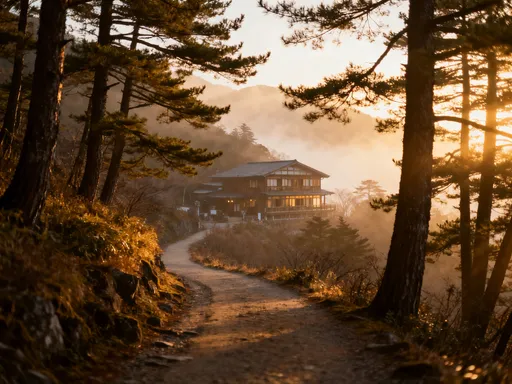
Hakone is more than just views of Mount Fuji and hot springs—it’s a maze of quiet districts each with its own soul. I wandered beyond the crowds and found serene villages, local-only onsen, and forest paths that feel untouched. If you’re planning a trip, knowing these neighborhoods can turn a good visit into something unforgettable. Let me show you the side of Hakone most guides miss—authentic, peaceful, and full of surprises. This isn’t just about skipping the tourist traps; it’s about discovering a rhythm of life that still moves gently through alpine valleys, ancient trails, and family-run inns. For travelers who value stillness as much as scenery, Hakone’s quieter corners offer a deeper connection to Japan’s natural grace and cultural warmth.
Why Hakone’s Districts Matter More Than You Think
Hakone is often portrayed as a single destination, but in reality, it is a patchwork of distinct communities, each shaped by elevation, terrain, and tradition. Understanding this mosaic is essential for crafting a meaningful journey. The difference between staying in Gora versus Sengokuhara, for instance, isn’t just about location—it’s about atmosphere, accessibility, and the kind of experiences that unfold each day. These districts vary not only in scenery but in pace, offering everything from cultural immersion to remote tranquility.
Many visitors follow the standard route—arriving at Odawara, riding the cable car, visiting Owakudani, and hopping on the pirate ship—without realizing how much lies beyond the main circuit. Yet the true richness of Hakone emerges when you slow down and choose where to linger. Some areas are designed for leisurely exploration, others for quiet reflection. Each has its own rhythm, influenced by the mountains, the lake, and centuries of travel along the old Tokaido road.
Transportation plays a crucial role in shaping your experience. While the Hakone Free Pass makes moving between districts convenient, not all areas are equally connected. Some require a short bus ride from the nearest train station, while others sit directly on the loop line. Choosing a base that aligns with your interests—whether it’s art, hiking, or onsen relaxation—can dramatically enhance comfort and convenience. A well-chosen district doesn’t just serve as a place to sleep; it becomes the heart of your journey.
Moreover, the seasonal shifts in Hakone reveal different facets of each neighborhood. In spring, cherry blossoms frame the pathways of Moto-Hakone. Summer brings lavender blooms to Sengokuhara’s fields. Autumn sets the forests around Gora ablaze in red and gold. Winter cloaks the higher elevations in mist and quiet. By selecting a district that resonates with your travel style and the season, you open the door to moments of unexpected beauty—like watching sunrise over Lake Ashi from an empty pier or hearing temple bells echo through a snow-dusted valley.
Gora: Where Culture Meets the Mountains
Situated at a higher elevation, Gora offers a refined alpine atmosphere where art, nature, and tradition converge. This district stands out for its blend of Japanese serenity and subtle European influences, evident in its gardens, architecture, and cultural spaces. It’s a place where travelers can immerse themselves in creativity without sacrificing the quietude that defines Hakone. The air feels crisper here, and the pace slows naturally, inviting deeper presence.
The Hakone Open-Air Museum is Gora’s crown jewel, a sprawling sculpture park where modern art harmonizes with mountain views and forest streams. Walking its winding paths, you’ll encounter works by Henry Moore, Yasuo Mizui, and other renowned artists, all placed thoughtfully within the landscape. Children enjoy the Picasso Pavilion and interactive installations, while adults find peace in the forested meditation areas. It’s a rare space where art doesn’t overpower nature but enhances it, offering moments of contemplation at every turn.
Adjacent to the museum, the Pola Museum of Art adds another layer of sophistication. Nestled into the hillside, its underground design preserves the natural surroundings while housing an impressive collection of Impressionist paintings and Japanese modern art. The lighting is soft, the galleries spacious, and the café overlooks a quiet garden—perfect for a reflective pause. Unlike crowded city museums, this space feels personal, almost intimate, allowing visitors to engage deeply with each piece.
Gora also boasts beautifully maintained gardens, including the English Garden and the nearby Rakusan-en, a traditional Japanese strolling garden with koi ponds, stone lanterns, and seasonal blooms. These spaces are not mere attractions but invitations to stillness. Whether you’re sipping tea beneath a maple tree or listening to water ripple over mossy rocks, the sensory experience is grounding.
Transportation in Gora is seamless. The Hakone Tozan Railway ends at Gora Station, making it easily accessible via the loop route. From the station, a short walk or shuttle ride leads to most hotels and attractions. While Gora attracts visitors, it never feels overwhelming. Hotels here range from modern resorts to traditional ryokans, many offering private onsen baths and kaiseki dining. It’s an ideal base for travelers who appreciate culture and comfort in equal measure.
Togendai: Lakeside Simplicity with Big Views
Togendai occupies a strategic position on the northern shore of Lake Ashi, serving as a key transit point rather than a destination in itself. It’s best known as the departure point for the iconic pirate ships that cruise the lake, but the district’s quiet charm often goes unnoticed. With few shops and limited lodging, Togendai doesn’t invite long stays—but it rewards early arrivals and thoughtful pauses.
The ferry terminal is the heart of the area, offering panoramic views of the lake and Mount Fuji on clear days. Watching the ships dock—their sails and rigging evoking a whimsical adventure—adds a playful touch to the alpine scenery. Travelers heading to Hakone-machi or Moto-Hakone often pass through here, yet few take time to sit on the benches along the pier and simply absorb the stillness. In the early morning, before the first ferry departs, the lake is glassy, and the surrounding peaks are veiled in mist—an image of quiet grandeur.
While dining options are minimal, there’s a small café near the terminal where you can enjoy coffee and onigiri while watching the boats. Some ryokans and guesthouses are located a short walk uphill, offering lake-facing rooms for those who want to wake up to water views. However, because Togendai functions primarily as a hub, it lacks the immersive atmosphere of other districts. It’s best suited for travelers using the lake cruise as part of a broader itinerary.
One of Togendai’s underrated assets is its proximity to nature. Just behind the terminal, a forested path winds upward, connecting to hiking trails that lead toward the Hakone Ropeway and the summit of Mount Komagatake. These routes see fewer hikers than the main trails, offering a chance to walk in solitude. The contrast between the bustling pier and the silent woods just beyond is striking—a reminder that peace is often only a few steps away.
For families or groups planning a full-day tour of Hakone, staying near Togendai allows for early access to the lake cruises without the need to travel from distant lodgings. With the Hakone Free Pass, transfers between train, cable car, and boat are seamless. While not a destination for extended stays, Togendai plays a vital role in the region’s rhythm, quietly enabling some of the most scenic journeys in the area.
Yunessun: Fun, But Plan Ahead
Yunessun is one of Hakone’s most talked-about destinations, famous for its novelty hot spring baths infused with wine, coffee, green tea, and even sake. While the concept draws curiosity, the real story lies in how this resort balances entertainment with access to nature. It’s a place where lighthearted fun meets mountain serenity—if you know when and how to visit.
The themed baths are indeed unique. Soaking in a red wine bath, surrounded by forested hills, feels indulgent and slightly surreal. The antioxidants are said to benefit the skin, though the real value may be in the experience itself—a joyful break from routine. Families, couples, and solo travelers alike find delight in trying each bath, often laughing as they compare the scents and sensations. Changing rooms are clean, facilities are well-maintained, and attendants are attentive, ensuring comfort and privacy.
Yet Yunessun can become crowded, especially on weekends and holidays. Lines form early, and the outdoor areas may feel congested by midday. To truly enjoy it, arriving at opening time is strongly recommended. Not only does this guarantee shorter waits, but it also allows time to explore the quieter corners of the resort before the crowds arrive. Morning light filtering through the trees onto the bath decks creates a peaceful ambiance that later fades with noise and movement.
Beyond the baths, Yunessun’s greatest hidden asset is its location within the forest. The Chisuji Falls trail begins nearby, offering a 30- to 40-minute hike through moss-covered paths, wooden bridges, and rushing streams. Unlike the more famous trails, this one remains relatively uncrowded, even in peak season. The sound of water grows louder as you approach the falls, culminating in a refreshing mist and a sense of discovery. It’s a perfect complement to the resort’s playful energy—a reminder that nature is always nearby.
For those seeking balance, a morning at Yunessun followed by an afternoon hike offers the best of both worlds. The contrast between the lively baths and the silent forest deepens the sense of escape. While Yunessun is often dismissed as too touristy, it becomes meaningful when paired with quieter experiences. It’s not just about novelty; it’s about creating joyful memories within a natural setting.
Moto-Hakone: History by the Lake
Moto-Hakone is the historic gateway to the region, once a bustling post town on the ancient Tokaido road that connected Kyoto and Edo. Today, it retains much of its old-world charm, with cobblestone paths, traditional tea houses, and wooden storefronts that evoke the Edo period. Walking through the district feels like stepping into a living museum, where history isn’t preserved behind glass but lived in the rhythm of daily life.
The Hakone Shrine is the centerpiece of Moto-Hakone, its bright red *torii* gate rising dramatically from the waters of Lake Ashi. This iconic image is one of Japan’s most photographed, and for good reason—it captures the harmony between nature, spirituality, and human craftsmanship. The shrine grounds extend into the forest, with smaller shrines, stone fox statues, and winding paths that invite quiet exploration. Visitors often pause here to pray, make offerings, or simply sit beneath the towering cedar trees.
Nearby, the Old Tokaido Trail remains partially intact, allowing travelers to walk the same path that samurai, merchants, and pilgrims once took. Sections of the original stone pavement are still visible, flanked by moss and ferns. Walking this trail, especially in the early morning or late afternoon, offers a powerful sense of continuity—a connection to centuries of footsteps. Interpretive signs provide historical context, enriching the experience without overwhelming it.
Moto-Hakone is also a culinary destination. Traditional *kuzukiri*—a translucent noodle dish served with kinako and black sugar syrup—is a local specialty, available at small family-run shops along the main street. Tea houses offer matcha and wagashi in serene garden settings, perfect for a midday break. Unlike commercialized food courts, these establishments feel authentic, often run by the same families for generations.
While the area is popular, its layout encourages slow exploration. There are no large hotels or shopping complexes—just modest inns, guesthouses, and local businesses. This preserves the district’s intimacy and charm. For travelers interested in history and culture, Moto-Hakone is not to be missed. It’s a place where the past feels alive, not staged, offering moments of reflection amidst the beauty of lake and mountain.
Sengokuhara: Peaceful Meadows and Secret Paths
Often overlooked in favor of more famous districts, Sengokuhara is a hidden treasure—a broad, open valley dotted with ryokans, flower farms, and quiet country roads. It’s a place of gentle beauty, where wide skies meet rolling meadows and distant peaks. Unlike the forested slopes of Gora or the lakeside bustle of Togendai, Sengokuhara feels expansive and airy, offering a different kind of alpine experience.
One of its most celebrated features is the lavender fields that bloom each summer. Stretching across hillsides, these fragrant purple rows attract visitors seeking beauty and calm. But even outside peak season, the area remains peaceful, with seasonal flowers—tulips in spring, cosmos in autumn—adding color to the landscape. The Hakone Flower Park, located here, is thoughtfully designed, with walking paths, viewing platforms, and rest areas that make it accessible for all ages.
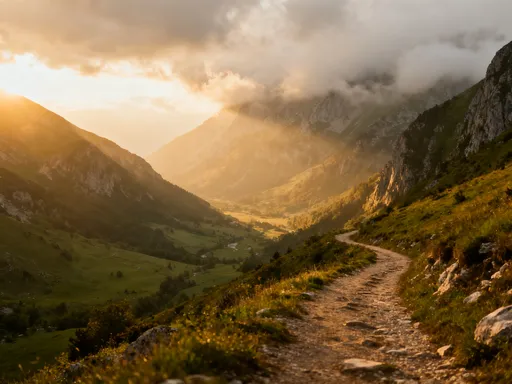
What truly sets Sengokuhara apart is its network of hiking trails. These paths connect to the larger Hakone trail system but begin in near silence, with few other hikers in sight. The route to Ohiradai, for example, winds through pine forests and open clearings, offering glimpses of Mount Fuji on clear days. The terrain is gentle, making it ideal for families or those seeking a relaxed walk in nature. Birdsong, rustling leaves, and the occasional distant cowbell are the only sounds.
Lodging in Sengokuhara leans toward traditional ryokans, many of which offer private onsen baths, garden views, and kaiseki meals prepared with local ingredients. These inns emphasize comfort and quiet, with tatami rooms, soft lighting, and attentive service. Staying here means waking up to mist rising over the meadows and ending the day with a warm bath under a starry sky.
Public transportation is reliable, with regular buses connecting Sengokuhara to Gora, Hakone-Yumoto, and other key points. Yet the area maintains a rural feel, far from the noise and pace of city life. For travelers seeking rest and reconnection, Sengokuhara offers a sanctuary—a place to breathe deeply, walk slowly, and remember the quiet joys of travel.
Choosing Your Base: Matching Districts to Your Travel Style
Selecting the right district in Hakone depends on what kind of experience you’re seeking. There is no single best choice—only the one that aligns with your priorities. The Hakone Free Pass simplifies movement between areas, but your base will shape your mornings, evenings, and overall rhythm. Thoughtful planning ensures you don’t just see Hakone, but live within it, even if only for a few days.
For travelers who value culture and art, Gora is the ideal base. Its museums, gardens, and refined atmosphere cater to those who appreciate beauty and history. The reliable train connection makes day trips easy, while the higher elevation ensures cooler temperatures and stunning views. It’s especially suited for couples, solo travelers, or small groups interested in a balanced mix of activity and relaxation.
If your heart leans toward nature and quiet, Sengokuhara offers unmatched serenity. The open landscapes, flower fields, and peaceful trails provide a sense of space often missing in mountain regions. It’s perfect for families with young children or older travelers who prefer gentle walks and comfortable lodgings. The slower pace allows for deeper rest and connection with the natural world.
For history enthusiasts, Moto-Hakone is essential. While it has fewer large hotels, staying nearby allows for early access to the shrine and the Old Tokaido Trail before crowds arrive. Pairing a night in Moto-Hakone with another in Gora or Sengokuhara creates a well-rounded itinerary. The district’s lakeside location also makes it a scenic choice for sunset views.
Yunessun, while fun, is better suited as a day visit rather than a base. Its lively atmosphere and popularity make it less ideal for those seeking peace. However, combining a morning at Yunessun with a stay in a quieter district maximizes both enjoyment and tranquility. The Chisuji Falls trail, in particular, deserves more attention and is easily accessible from this area.
Togendai, as a transit hub, is practical but not immersive. It’s best for travelers using the lake cruise as part of a one-day loop. Staying here makes sense only if you plan to catch an early ferry or want to minimize transfers during a packed schedule.
Ultimately, the most fulfilling Hakone experience often involves staying in two districts—allowing you to witness the region’s diversity firsthand. Whether you begin in Gora and end in Sengokuhara, or spend a night near the lake before retreating to the mountains, movement between areas becomes part of the journey. With the Hakone Free Pass, transfers are smooth, and the changing landscapes tell a continuous story of nature, history, and human care.
Conclusion
Hakone’s magic isn’t just in its famous sights—it’s in the quiet corners between them. The whisper of wind through bamboo groves, the steam rising from a private onsen at dawn, the sight of a heron gliding over Lake Ashi—these are the moments that linger. By understanding its districts, you don’t just visit Hakone, you truly experience it. Each neighborhood offers a different doorway into the region’s soul, from the artistic elegance of Gora to the timeless calm of Sengokuhara.
Choosing where to stay, where to walk, and when to pause is not just practical—it’s personal. It’s about aligning your journey with your deepest travel desires, whether that’s cultural discovery, natural beauty, or simple rest. The mountains do not rush, and neither should you. Let the rhythm of Hakone guide you: slow, intentional, and full of quiet wonder.
So plan thoughtfully. Wander freely. And allow yourself to be surprised by the stillness, the kindness of strangers, and the way a single path through the woods can feel like a return to something essential. In Hakone’s quiet districts, you may just find not only beauty—but peace.